Source Laminated Baby Diaper Machine for Infant, Child, and Toddler Care
Compare 30 Laminated Baby Diaper Machine options from China suppliers. These automatic machines support production capacities up to 900 pcs/min and feature CE certification for reliable infant care manufacturing.
Key considerations
Products List


Laminated S, M, L, XL 3 Pieces Type Baby Machine Diaper Production Line
$500000.00 - $600000.00
MOQ: 1 Sets

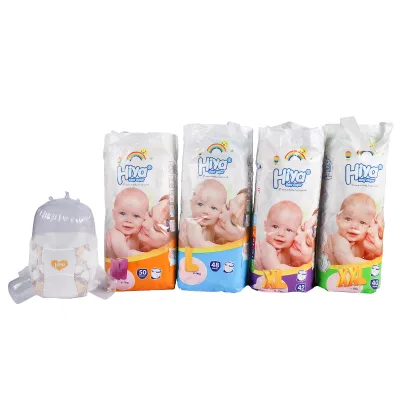


High Performance Baby Diaper Machine with Enhanced Production Capabilities
$420000.00 - $450000.00
MOQ: 1 set


Comprehensive Baby Diaper Making Machine Production Line with Superior Quality
$750000.00 - $850000.00
MOQ: 1 set

High-Efficiency Baby Diaper Machine Production Line for Optimal Output
$750000.00 - $850000.00
MOQ: 1 set

Versatile Baby Diaper Making Machine for All Sizes and Efficiency Needs
$420000.00 - $450000.00
MOQ: 1 set

Factory Provided Diaper Making Machine Baby Diapers Production Line
$200000.00 - $600000.00
MOQ: 1 Pieces

Comprehensive Sourcing Guide
Strategic Sourcing Guide for Laminated Baby Diaper Machines
Navigating the global market for industrial equipment requires a disciplined approach, particularly when sourcing high-capacity manufacturing assets like laminated baby diaper machines. These machines represent a significant capital investment, serving as the backbone for production lines dedicated to infant hygiene products. Buyers must move beyond surface-level marketing claims and focus on verifiable technical parameters, compliance standards, and operational realities. This guide provides a structured framework for evaluating potential suppliers and equipment configurations, ensuring that procurement decisions are grounded in factual data and industry best practices.
Technical Specifications and Production Capabilities
The core of any diaper machine evaluation lies in its technical specifications, which dictate throughput, material handling, and operational efficiency. In the current market, laminated machines are designed to handle multiple bagging stations and utilize specific raw materials to ensure product integrity. A critical observation in the available data indicates that production capacities vary significantly based on the specific model configuration. Buyers should expect to encounter machines with output rates ranging from 600 pieces per minute to 900 pieces per minute. For instance, specific model configurations have been observed with capacities of 800 pcs/min, 600 pcs/min, and 900 pcs/min, highlighting the need to match machine speed with actual market demand.
Power requirements are another non-negotiable technical parameter. The standard electrical supply for these industrial units is typically 380V/50Hz, requiring a robust power infrastructure. The main power supply often necessitates a 6mm² * 5-Core Power Cord to handle the load safely. Furthermore, the installed power for certain configurations can reach 11.5kw, while the overall equipment weight can be substantial, with observed weights ranging from 2,800 kg to over 110,000 kg depending on the scale and automation level. The machine color is often standardized to Ral9016 (Traffic White) or Ivory White, which is not merely aesthetic but aids in maintaining a clean visual standard for hygiene-critical environments.
Material processing capabilities are equally vital. The machines utilize a laminating process to bond layers, often employing a Double-Sided Heat Sealing Film as the recommended packaging material. The bag thickness is typically controlled within a range of 0.05-0.1mm, ensuring durability without excessive material usage. The bag making method relies on roll film input, and the correction system often features an independent unwinding correction device to maintain alignment during high-speed operation. The automatic grade is generally full automatic, minimizing manual intervention and maximizing consistency.
Compliance, Certification, and Safety Standards
When sourcing industrial machinery, verifying compliance with international and local safety standards is paramount. The presence of CE certification is a high-confidence fact observed in the product data, indicating that the equipment meets the essential health, safety, and environmental protection requirements for the European Economic Area. However, buyers must treat this as a starting point for verification rather than a blanket guarantee for all listed units. It is essential to confirm that the specific model being purchased carries valid, up-to-date certification documentation.
Beyond CE, the industry often references ISO9001 as a standard for quality management systems. While this is a recognized background standard, buyers should not assume every machine listed automatically complies without requesting specific audit reports or certificates from the supplier. The production standards for the diapers themselves are often categorized by size, including S, M, L, and XL, which the machine must be capable of producing with precision. The machine's ability to handle these variations without compromising the lamination quality or the structural integrity of the bag is a key performance indicator.
Safety features are embedded in the design, such as the specific air pressure requirements of 0.5~0.6MPa and air consumption rates of 0.6m³/Min. These pneumatic parameters must be compatible with the factory's existing compressed air infrastructure. Failure to verify these requirements can lead to operational bottlenecks or safety hazards. The machine's condition is listed as "New," which implies that the equipment should meet current safety regulations without the wear and tear associated with refurbished units, but buyers should still inspect the physical state of the machine upon delivery.
Cost Drivers and Pricing Dynamics
Understanding the cost structure of laminated baby diaper machines is essential for budgeting and financial planning. The observed price range in the market spans from 20,000 USD to 1,434,900 USD. This vast disparity is driven by several factors, including the production capacity, level of automation, and the complexity of the lamination technology. A machine capable of 900 pcs/min will naturally command a higher price than one operating at 600 pcs/min. Additionally, the weight of the machine, which can exceed 100,000 kg for larger models, impacts shipping and installation costs significantly.
The Minimum Order Quantity (MOQ) for these industrial assets is typically low, often observed as 1 unit, allowing for flexible procurement strategies. However, the "Selling Units" are listed as "Single item," suggesting that these are bespoke or semi-bespoke industrial solutions rather than mass-market consumer goods. Buyers should be aware that the price is not static; it is influenced by the customization options available. The "Customization: Available" attribute indicates that buyers can tailor the machine to specific production needs, which will inevitably affect the final cost.
Other cost drivers include the warranty period, which is observed as 1 Year for many units. This warranty coverage is a critical component of the total cost of ownership, as it mitigates the risk of early-life failures. The inclusion of after-sales services, such as video technical support and field maintenance and repair services, also adds value to the initial purchase price. Buyers should evaluate whether the cost of these services is bundled or charged separately, as this can impact the long-term financial viability of the project.
Typical Applications and Product Specifications
The primary application of these machines is the manufacturing of baby diapers, targeting the infant demographic. The product object is explicitly defined as "Infant," and the machines are designed to produce diapers in various sizes, including Large specifications. The efficiency of the production process is a key metric, with observed efficiency rates around 90%. This figure represents the ratio of output to input, factoring in material waste and downtime. Buyers should verify if this efficiency is maintained under continuous operation or if it is a peak performance metric.
The processing technology employed is the Laminated Machine process, which involves bonding multiple layers of material to create a waterproof and breathable barrier. This is critical for the functionality of the diaper. The machine also features a Computer Control Panel, which allows for precise monitoring and adjustment of the production parameters. This digital interface is essential for maintaining consistency in bag thickness and lamination quality. The packaging material, often a transparent film, is used to protect the finished product during storage and transport, ensuring it remains sterile and intact.
The machine's versatility is further demonstrated by its ability to handle different bag types, such as the Chinese Style Bag, and various bag thicknesses. The production capacity, ranging from 600 to 900 pcs/min, allows manufacturers to scale their operations based on market demand. The machine's design supports the production of high-volume orders, making it suitable for large-scale manufacturing facilities. The "Usage" attribute is listed as 98%, which may refer to the machine's utilization rate or the efficiency of the material usage, though this requires clarification from the supplier.
Supplier Evaluation and After-Sales Support
Selecting the right supplier is as important as selecting the right machine. The location of production is a key factor, with the majority of these machines originating from China. This geographic concentration offers access to a mature supply chain and competitive pricing, but it also necessitates careful evaluation of the supplier's logistics capabilities. Buyers should verify the supplier's ability to handle international shipping, customs clearance, and on-site installation.
After-sales support is a critical differentiator among suppliers. The observed data indicates that "Video Technical Support" and "Field Maintenance and Repair Service" are provided. These services are essential for minimizing downtime and ensuring the longevity of the equipment. Buyers should inquire about the response time for field services and the availability of spare parts. The warranty period of 1 Year is a standard offering, but buyers should negotiate for extended coverage if possible, especially for high-value machines.
The supplier's reputation and track record should be assessed through references and case studies. While specific supplier names should not be recommended, buyers can look for evidence of successful installations and long-term partnerships with other manufacturers. The "Customization: Available" attribute suggests that the supplier is willing to work with buyers to tailor the machine to specific needs, which is a positive indicator of flexibility and customer focus. Buyers should also verify the supplier's ability to provide training for their operational staff, ensuring that the machine is used to its full potential.
Quality Control and Long-Term Procurement Considerations
Quality control is an ongoing process that begins with the machine's design and extends through its operational life. The "Automatic Grade: Full Automatic" feature reduces the risk of human error, but it also requires rigorous maintenance to prevent mechanical failures. Buyers should establish a preventive maintenance schedule that includes regular checks of the air pressure, power supply, and correction systems. The "Machine Direction: to Be Defined" attribute suggests that the orientation of the machine may need to be customized based on the factory layout, which should be considered during the planning phase.
Long-term procurement considerations include the scalability of the machine and its adaptability to future product lines. As the market evolves, manufacturers may need to produce different types of hygiene products or adjust the size and material specifications of their diapers. A machine with a flexible control panel and adjustable parameters is better suited for these changes. The "Product Specification: Large" attribute indicates that the machine is capable of producing larger sizes, but buyers should verify if it can also handle smaller or specialized sizes if needed.
Finally, buyers should consider the total cost of ownership, including energy consumption, material waste, and maintenance costs. The "Effciency: 90%" figure is a starting point, but actual efficiency may vary based on the specific production environment. Buyers should conduct a detailed cost-benefit analysis before making a final decision, ensuring that the investment aligns with their long-term business goals. By focusing on these critical factors, buyers can make informed decisions that drive efficiency and profitability in their diaper manufacturing operations.
FAQs
What is the production capacity range for these machines?
Production capacities range from 600 to 900 pieces per minute depending on the specific model configuration. Buyers should match the output rate with their actual market demand to ensure operational efficiency.
Which certification is verified for this equipment?
The equipment holds CE certification, indicating compliance with European health and safety standards. Buyers must verify that the specific model carries valid documentation rather than assuming blanket coverage.
Can the machine be customized for specific needs?
Customization is available to tailor the machine to specific production requirements. This flexibility allows buyers to adjust parameters but will inevitably affect the final purchase cost.
What is the standard voltage requirement for operation?
The standard electrical supply is 380V/50Hz, requiring a robust power infrastructure. A 6mm² * 5-Core Power Cord is typically necessary to handle the load safely.
How long is the warranty period for these units?
The standard warranty period is one year for most units. This coverage mitigates early-life failure risks, though buyers should negotiate extended terms for high-value machines.
What is the typical weight of the equipment?
Equipment weights vary significantly, ranging from 2,800 kg to over 110,000 kg based on scale. This substantial weight impacts shipping costs and requires careful logistical planning.
Which bag thickness range does the machine support?
The machine supports bag thicknesses between 0.05 and 0.1 mm. This range ensures durability while maintaining material efficiency during the laminating process.